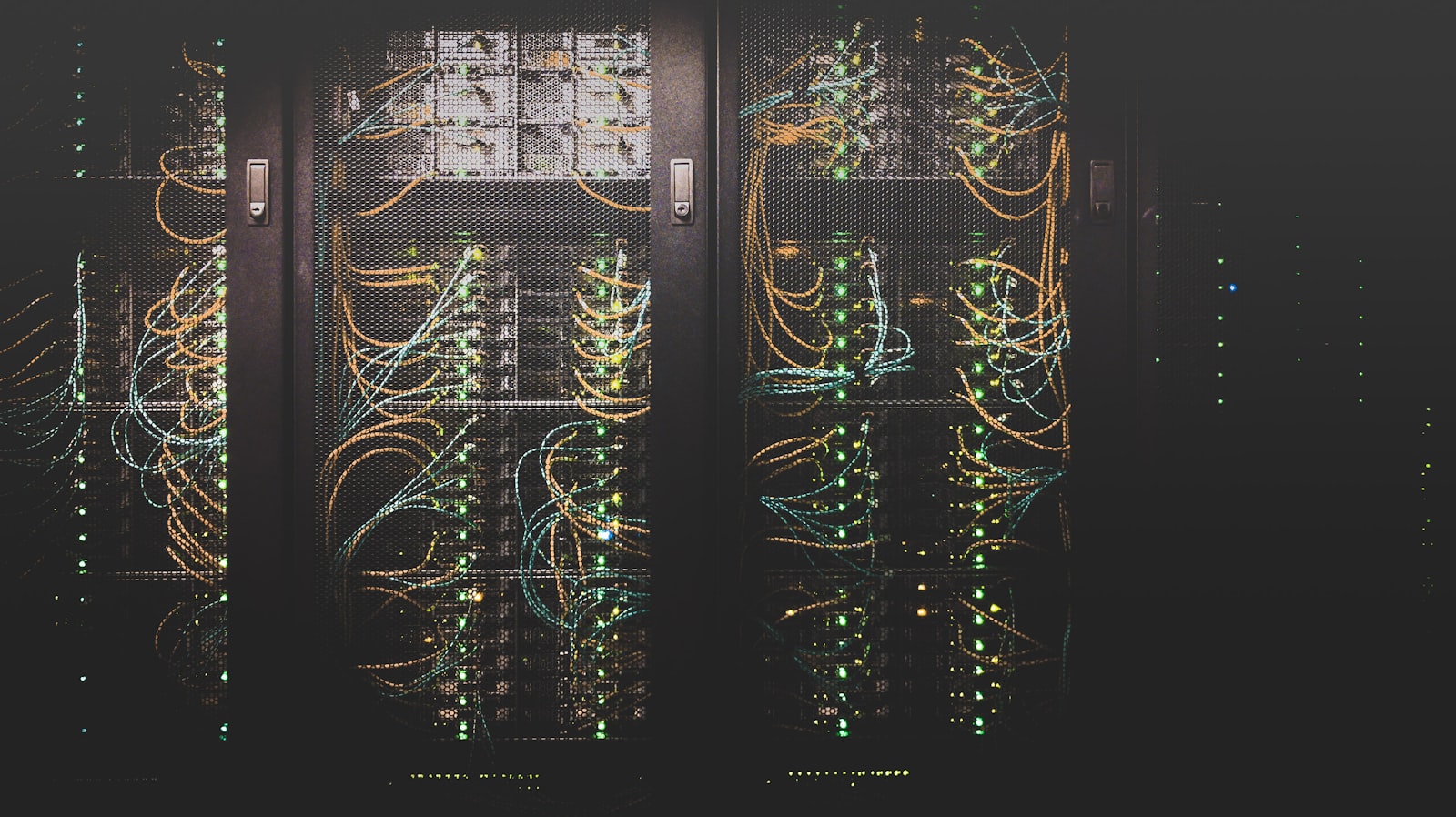
2026 multi-project queues: CPU, memory, disk, and network RTT
Teams often blame Xcode or dependency managers first. In parallel work, the sharper issue is contention on shared subsystems. Apple Silicon uses unified memory for the compiler, the linker, simulators, indexing services, and preview tooling at the same time. A second repository does not add memory in a neat linear way; it adds another SourceKit graph, another DerivedData tree, and another set of small random writes that compete for the same NVMe queue depth.
CPU is only the first class. Sustained all-core compile bursts interact with thermal and power limits, so wall time can look jagged even when averages look healthy. Memory is the second class: swap is a hard signal, but even before swap, bandwidth saturation shows up as longer incremental builds because the memory controller is busy. Disk is the third class: parallel builds multiply fsync-heavy metadata updates. Network is the fourth class: private package feeds, remote caches, and distributed locks can turn geography into queue time.
Cloud bare metal removes laptop-class sleep and permission popups, which makes the four classes easier to observe because processes are not randomly suspended. That clarity is useful: once you chart CPU curves, swap, write bandwidth, and lock-wait tags weekly, you stop treating slow builds as random weather and start treating them as capacity signals.
CPU contention: Watch whether integer and floating-point clusters alternate at peak. If the curve is sawtoothed during multi-repo hours, move the heaviest pipeline to a second machine instead of raising local parallelism first.
Memory pressure: Treat sustained swap as a hard stop. If CI and local Xcode share one node, 16GB often becomes tight when a second DerivedData tree appears; 24GB is a safer baseline for parallel simulators plus analysis.
Disk write amplification: Give each repository its own DerivedData root to reduce metadata lock fights. Avoid storing hot incremental trees on network volumes unless latency budgets are explicit.
RTT and locks: Keep your primary artifact store and lock service in the same geo fence as the monthly anchor node. Moving the Mac alone does not fix a lock that lives on another continent.
Governance: Write the maximum safe parallel pipelines into your program charter so spikes require a capacity review instead of ad-hoc hardware chat.
When those five signals live on the same dashboard row, most so-called flaky builds map to a repeatable spike on one chain. The next decision is whether to absorb the spike with a larger single instance or isolate it with a parallel node that has its own memory and IO path.
Scale one cloud Mac or add a second node: how to decide
A single-node strategy keeps SSH keys, monitoring, and rotation simple. Everything shares one thermal envelope and one NVMe queue, so peaks must be absorbed in time rather than space. A parallel-node strategy moves peaks into space: ideal for release weeks with predictable parallel demand, but it adds orchestration for runners, signing assets, and configuration drift.
| Dimension | Higher single-node tier | Two parallel standard nodes |
|---|---|---|
| Peak absorption | Raises RAM and SSD ceilings, CPU still shared | Physically isolates hottest pipelines, steadier p95 |
| Signing and certs | Single place to audit | Requires automation or separate runner identities |
| Cost curve | One monthly line item | Lets you split baseline monthly from short day leases |
| Observability | Lower | Higher unless you tag instances consistently |
| Best window | Steady two or three pipelines year round | Release trains, parallel brands, dual-region validation |
Parallel nodes are not vanity parallelism; they remove the two hottest compile paths from the same unified memory and the same NVMe queue.
Acceptance should track median and p95 together. Median tells daily efficiency; p95 tells real team pain. If p95 doubles during release week while median barely moves, that is a capacity signature. Adding cores alone often helps less than isolating the heaviest pipeline on its own host.
MESHLAUNCH offers nodes across Singapore, Japan, South Korea, Hong Kong, US East, and US West. Keep your monthly anchor close to most engineers and the artifact store, then use short day leases in another region when you need genuine cross-region validation rather than a remote lock on the wrong side of the planet. Pair this article with the on-site multi-region rental guide for the broader region and lease matrix; here the focus is concurrent peaks and how to finance them cleanly.
Mix day, week, and monthly leases without wasting baseline capacity
Think of leases as a capacity finance tool. Monthly covers the main branch and core runners you know run all year. Weekly covers milestones with a clear cadence. Day covers predictable spikes such as the seventy-two hours before a launch. Finance and engineering then share the same vocabulary instead of debating a single opaque cap number.
| Signal | Recommended mix | Expected outcome |
|---|---|---|
| Three steady pipelines | Monthly single or dual baseline | Stable bill and monitoring baseline |
| Biweekly release train | Monthly plus an extra week lease on release week | Doubles parallel space without a year-long contract jump |
| Occasional client demo branch | Day lease on an isolated instance | Separates signing context from mainline risk |
| Dual-region acceptance | Monthly in primary plus day lease in secondary | Aligns RTT with real user paths |
peak_parallel_tasks = main + release + local smoke
if peak_parallel > safe_single_node_parallel:
    baseline = monthly primary
    burst = day or week secondary with isolated DerivedData
else:
    baseline = monthly single node
    review p95 for two weeks; if still pegged, raise tier or split
Billing alignment: Tag instances with project code plus lease type so month-end reports can attribute day charges to a specific release or customer without spreadsheet archaeology.
Short leases are not an excuse for snowflake hosts. Bake the same bootstrap script you use for monthly anchors so Xcode versions, Ruby managers, and common utilities stay pinned to the same Git revision. That keeps a day node ready within tens of minutes instead of burning the savings on manual setup.
Six steps to write multi-project capacity into a runbook
These steps assume you already run builds on cloud Mac hardware. If you are still choosing regions and tiers, read the multi-region guide first, then return here for execution detail. The sequence is observe, classify peaks, choose a primary region, isolate storage paths, decide parallel versus larger tier, and finally mirror the same language in finance.
Freeze a one-week baseline: Log median and p95 build time per repository, peak swap, disk write bandwidth, and lock-wait tags pulled from CI logs.
Plot a parallel calendar: Mark release trains, client demos, and large merge windows on a timeline and compare them with observed peak weeks.
Pick a primary build region: Choose Singapore, Tokyo, Seoul, Hong Kong, US East, or US West based on where most engineers and artifacts already live.
Split DerivedData and caches: Give each repository a dedicated cache root to reduce metadata contention; forbid shared parents for incremental indexes.
Execute parallel or upsize: If p95 degrades sharply on peak weeks, add a day-lease sidecar for the heaviest pipeline before jumping to the next memory tier.
Publish the runbook and finance table: Document who may open day nodes, naming rules for tags, and how costs roll up to programs.
Three reference notes for reviews and primary region choice
Unified memory and simulators: Two simulators plus a heavy index on one repo often sit at a tight balance on 16GB. Adding CI static analysis on the same host usually pushes teams toward 24GB as a parallel baseline, with M4 Pro class hardware when multiple heavy link jobs must coexist.
SSD headroom and write amplification: When working set size crosses roughly seventy percent of free space, incremental builds become non-linearly slower because garbage collection and compaction fight the compiler for bandwidth. Keep thirty percent free and archive old artifacts to object storage.
RTT and lock locality: Moving the build host does not fix a lock service that still lives in another geo fence. Align monthly anchors with locks and caches first, then use other regions for real path validation.
Security note: Parallel nodes duplicate signing material distribution. Automate provisioning with least privilege and never share p12 files in chat.
Repurposed laptops and closet Mac minis look cheap until you count power, spare parts, and on-call time. Desktop virtualization can add elasticity but often weakens Metal and simulator fidelity. For production iOS and macOS throughput, MESHLAUNCH Mac Mini cloud bare-metal rental keeps dedicated Apple Silicon, flexible day-through-month leases, and multi-region switching in one product story, which is easier to audit than a patchwork of owned boxes. Open the pricing page to model a baseline plus burst line, confirm network steps in the help center, and read the multi-region rental guide when you need the full region and lease matrix.
Split monthly baseline from day leases for spikes and tag every instance. Official tiers live on the pricing page.
If CI and local Xcode share the host, 24GB is usually safer. For region and tier combinations, pair this with the multi-region rental guide.
Use the help center checklist before attaching more pipelines to the same node.